
Lawyer for Road Safety Offences
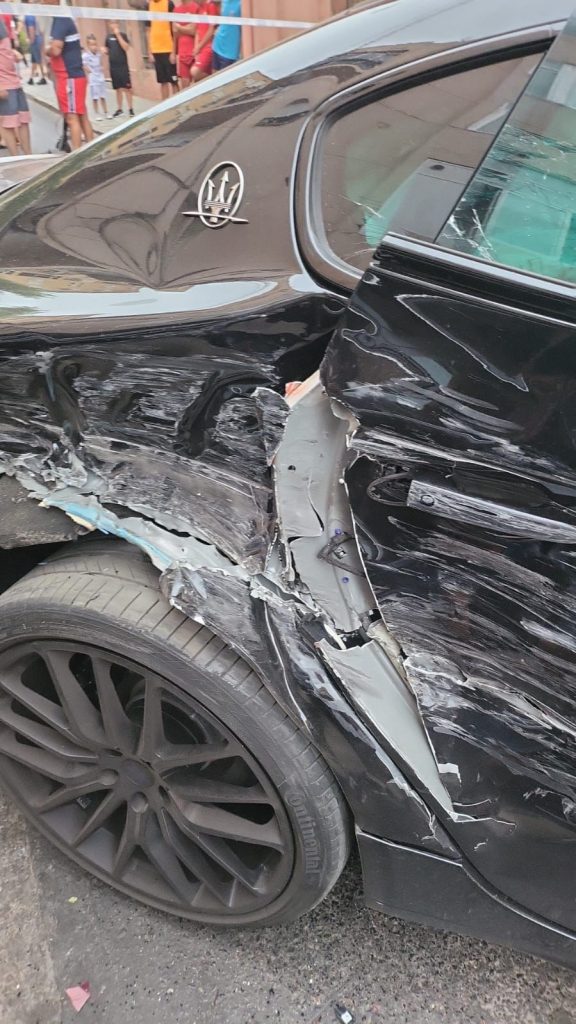
Driving without a driving licence, or driving at high speed and putting other people’s lives at risk, is a criminal offence, known as a road safety offence, also referred to as a traffic safety offence. We have been defending these and other cases for twenty-eight years.
Driving under the influence of toxic substances, alcoholic beverages or narcotic drugs is a criminal offence, punishable by imprisonment and fines, which will be explained in detail below. This is commonly known as “alcohol intoxication”, as it refers to the test carried out by the local police or the Guardia Civil to check a person’s condition and determine whether they are driving under the influence of alcohol or drugs.
The best lawyer to defend you in road safety offences
If you find yourself in any of these situations, contact us. Our criminal defence lawyers specialising in road traffic offences and drink-driving cases will assist you.
The Criminal Code punishes road safety offences, as failing to comply with these rules not only puts the driver’s own life at risk, but also the lives of all those around them. For this reason, these offences are currently understood as offences against public safety.

Road traffic legislation
The penalties vary depending on the severity of the offence.
These offences are regulated in Articles 379 to 385 of the Criminal Code.
As expert criminal defence lawyers we must point out that the Criminal Code distinguishes different offences known as road safety offences, which are as follows:
Art. 379.1 CC. Driving at a clearly excessive speed.
A prison sentence of 3 to 6 months or a fine of 6 to 12 months or community service of 31 to 90 days shall be imposed, and in any case, deprivation of the right to drive motor vehicles and mopeds for a period of more than one year and up to 4 years, on anyone who drives a motor vehicle or moped at a speed exceeding the legally permitted limit by 60 km/h on urban roads, or by 80 km/h on interurban roads.
Art. 379.2 CC. Driving under the influence of alcohol or drugs.
The same penalties as in the previous section shall be imposed on anyone who drives a motor vehicle or moped under the influence of alcoholic beverages, toxic drugs, narcotics, or psychotropic substances.
The aforementioned penalties shall be imposed, in any case, on anyone who drives with a blood alcohol level exceeding 1.2 g per liter or a breath alcohol level exceeding 0.60 mg per liter.
Art. 380 CC. Reckless driving.
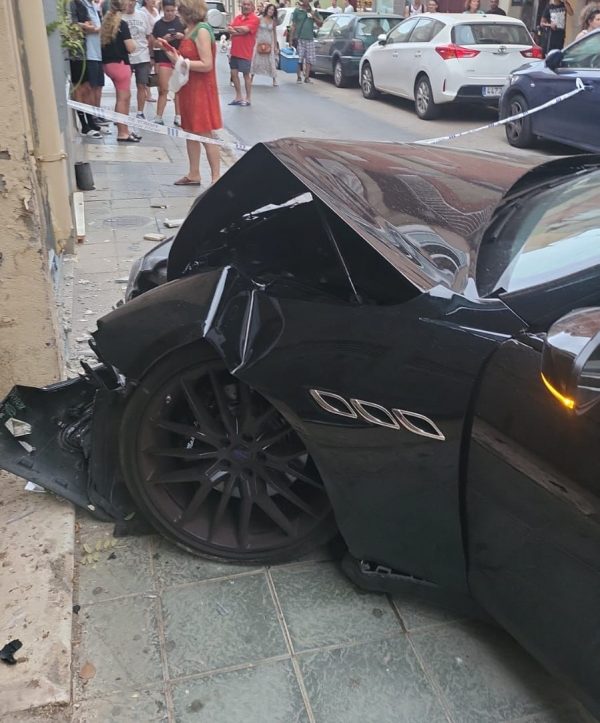
Aggravated reckless driving or suicidal driving: 381 CC
When is this conduct considered aggravated?
The person who carries out the conduct described in the previous article (Article 380 of the Criminal Code), with manifest disregard for the lives of others, shall be punished with a more severe penalty (imprisonment from 2 to 5 years, a fine of 12 to 24 months, and deprivation of the right to drive motor vehicles and mopeds for a period of 6 to 10 years).
Nevertheless, if the life or physical integrity of individuals has not been placed in specific danger, the penalties will be more lenient (imprisonment for 1 to 2 years, a fine of 6 to 12 months, and deprivation of the right to drive motor vehicles and mopeds for the same duration specified in the previous paragraph).
Technical Defence
What happens if, in addition to the offense against road safety, a harmful outcome occurs?
Article 382 of the Criminal Code provides for the possibility that, in addition to committing any of the above offences (Articles 379, 380 and 381 of the Criminal Code), a result is caused that gives rise to an offence of bodily harm (regardless of its severity).
In such cases, judges or courts shall only take into account the most seriously punishable offence and impose the penalty in its upper half, in addition to ordering compensation for civil liability in all cases.
Where the resulting injury coincides with an offence described in Article 381 of the Criminal Code, the penalty of deprivation of the right to drive motor vehicles and mopeds provided for in that article shall in any case be imposed, applying its upper half.
